Blog
February 18, 2026
Have Your Jeans Lived a Life Before You?
Words by

Historically, jeans were shaped by use. Their appearance evolved with the wearer, and wear accumulated gradually and unevenly. Fading, creases, and surface abrasion emerged through prolonged mechanical stress. Alongside these visible changes, the fabric slowly lost strength.
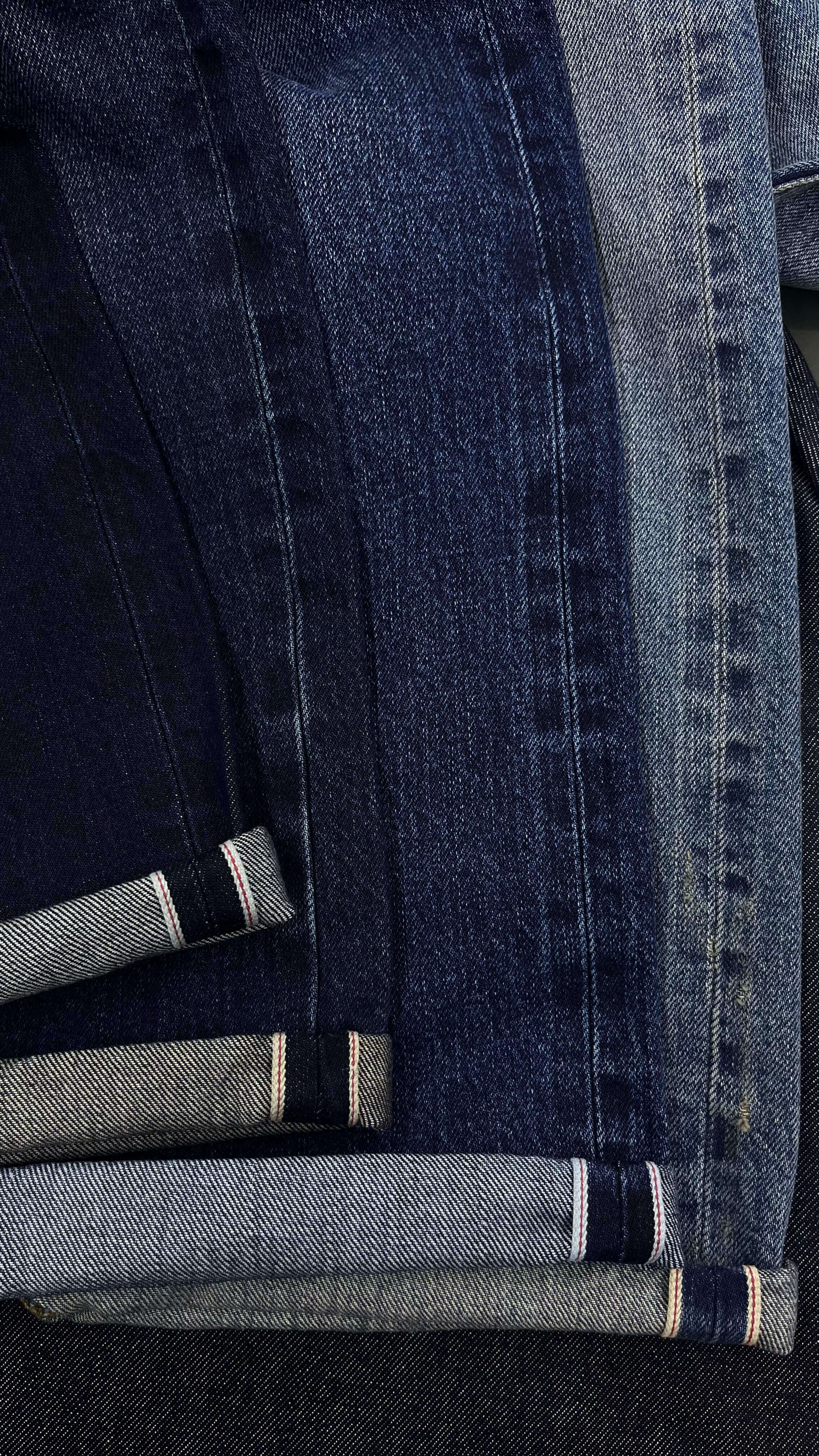
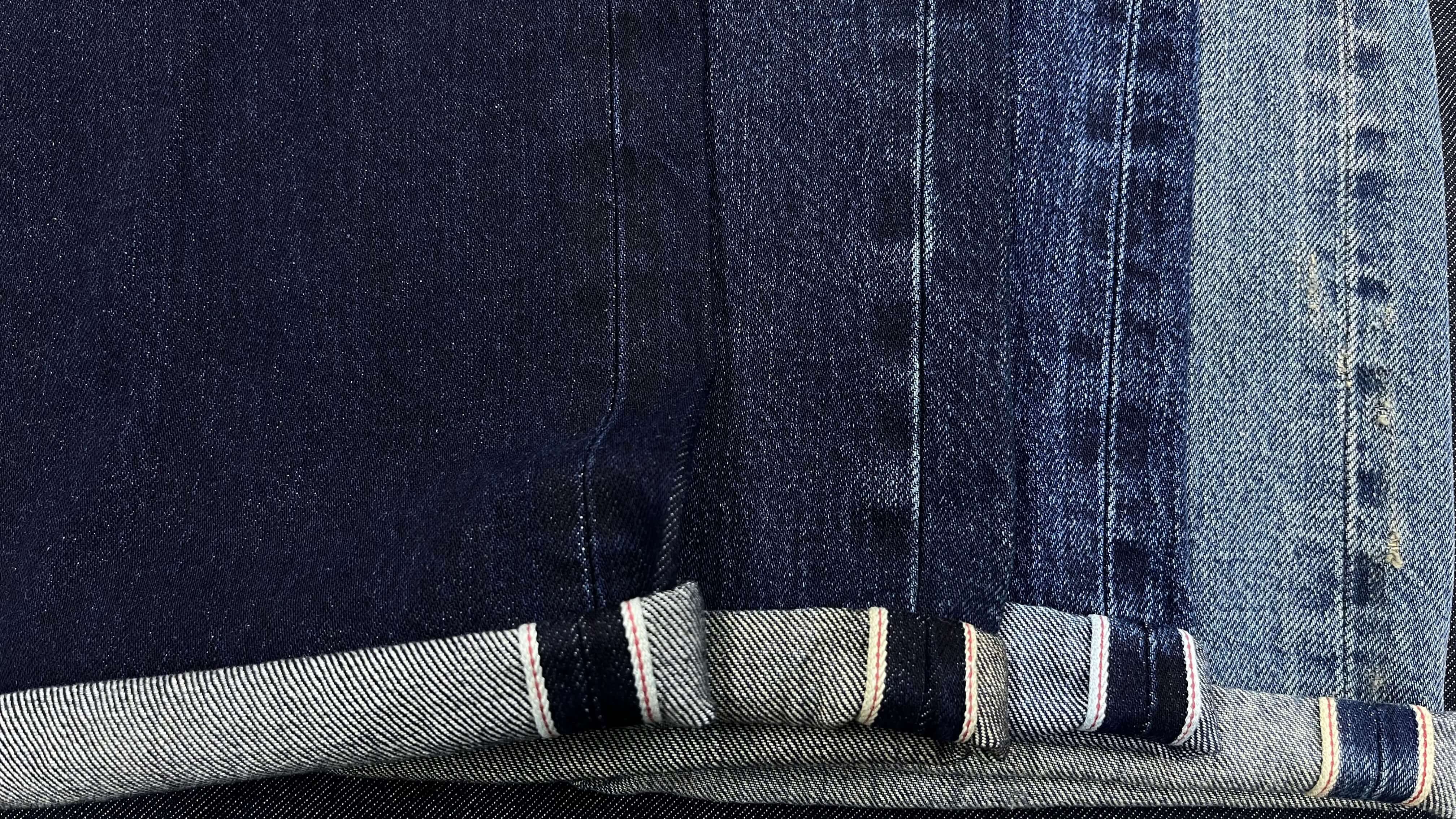
Modern manufacturing relocates this evolution into the production stage. Washing makes it possible to imitate the recognizable signs of long-term wear before the garment ever reaches the customer. It does not recreate a personal history of use; it constructs a controlled approximation of it.
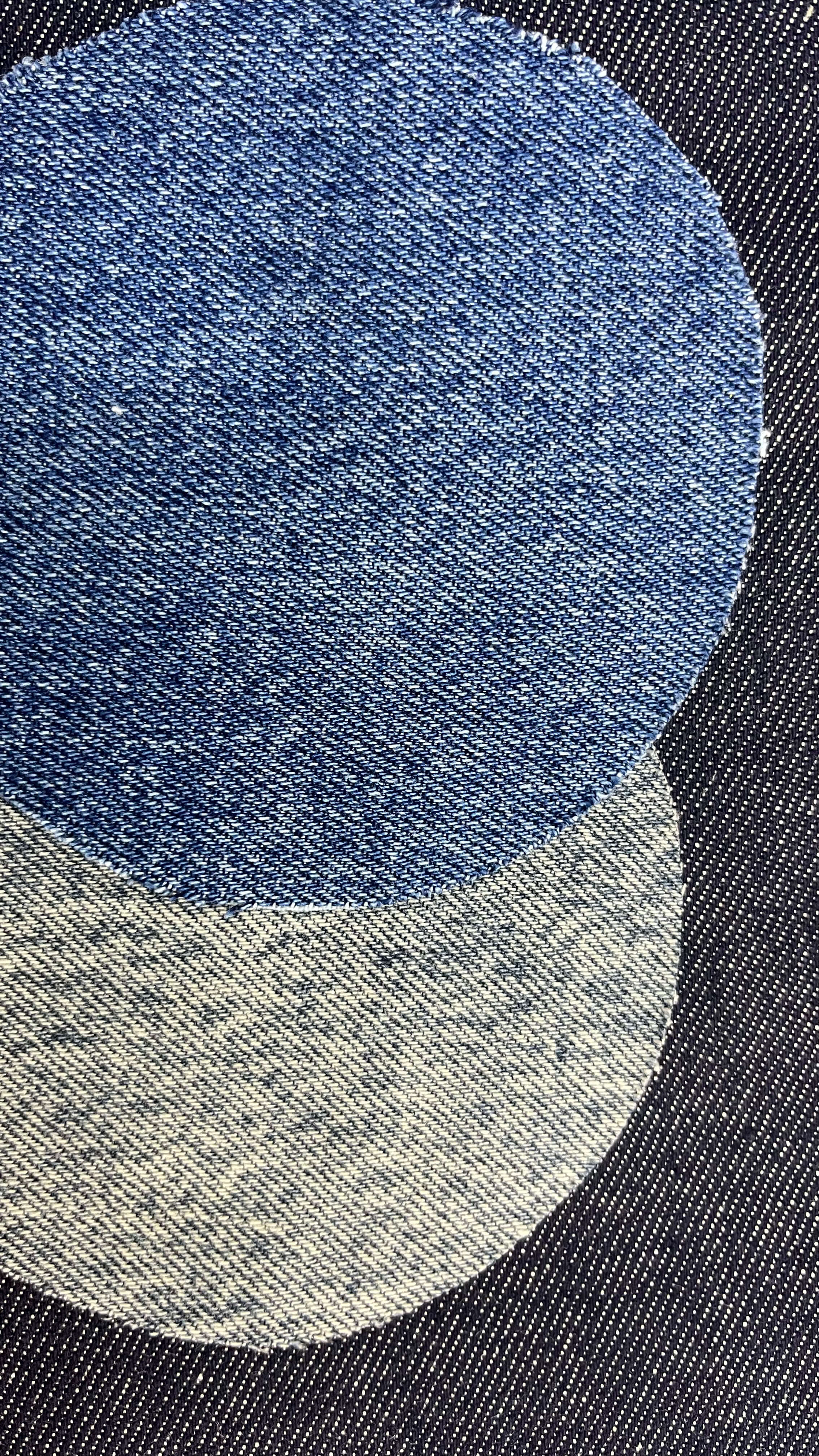
From a technical perspective, washing is accelerated aging — and therefore accelerated wear. Friction, bending, and localized surface impact are compressed into a short, controlled timeframe. Color fades unevenly, fiber surfaces are partially weakened, and the material becomes softer. At the same time, the fabric no longer retains the full strength of untreated denim.
The distinction between natural wear and industrial washing lies in what drives the change. In natural use, the fabric responds to real movement and develops a unique wear pattern. In industrial washing, process settings determine where fading appears, how strong the contrast becomes, and how far surface degradation is allowed to go.
Washing does not replace years of wear; it condenses them into the production cycle. It creates an industrial interpretation of aging, allowing a garment to appear already “formed” without prolonged use. In essence, aging shifts from the dimension of time to the dimension of technology.