Blog
August 21, 2026
When a Pattern Becomes Fabric
Words by

Sometimes a client comes to us not just with a style or a reference, but with a fairly clear idea of how the final product should look and how they want to achieve it. That was the case with this project.
The client came to us with a finished pattern made up of thin lines and a lot of small details. They already had an idea of how to transfer it onto denim: using laser. The only question was whether to apply the laser to the fabric in roll form or to the finished garments.
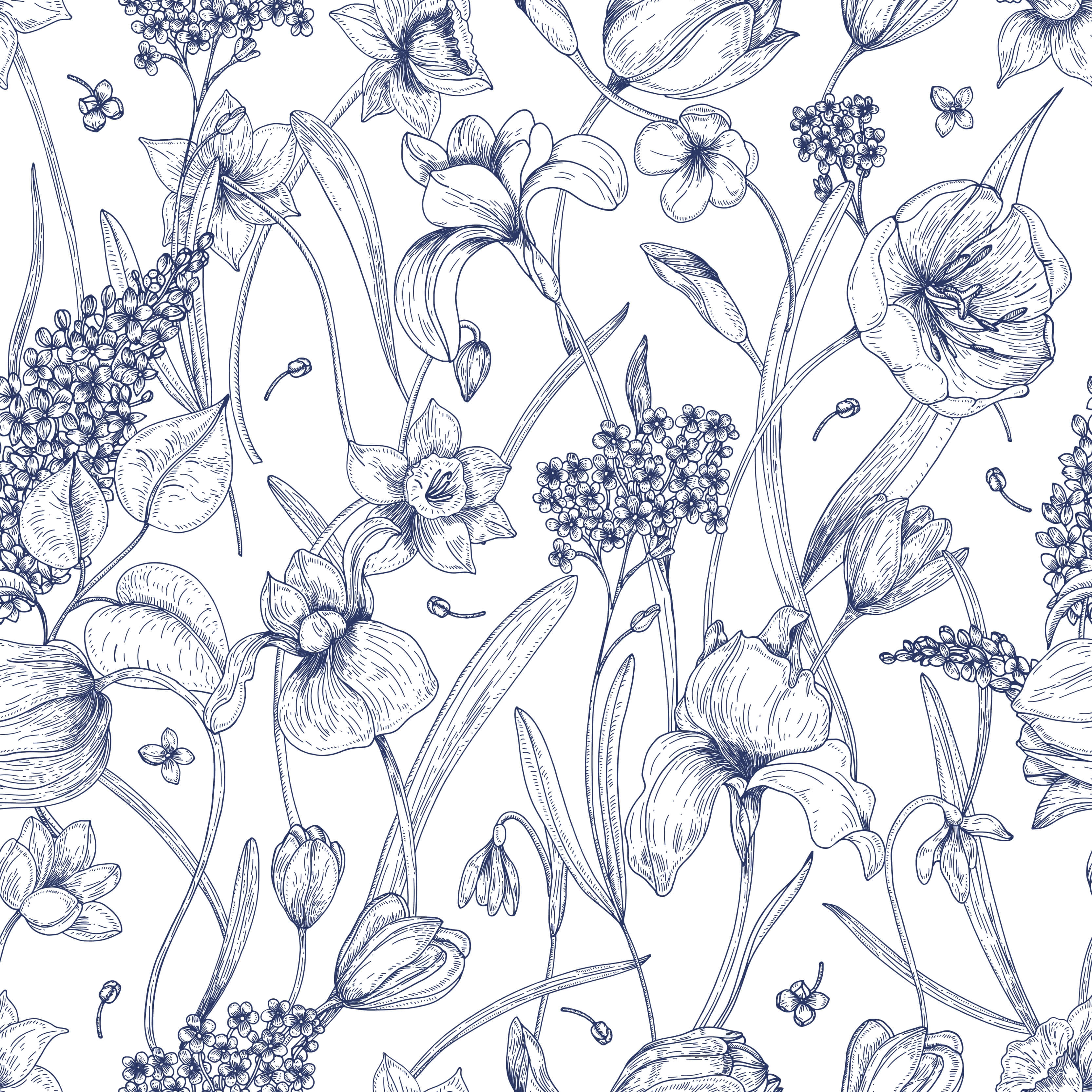
We work with laser quite often, so we had a good idea of how we could approach it. For this kind of effect, open-end denim can be a good option. Because of its structure, it tends to wash down more evenly than ring-spun denim, and laser effects often show up better on it. That would have given us a flatter, more even wash where the laser pattern could read more clearly. But I still wasn’t sure it would be enough.
The pattern had a lot of very fine lines, while the client wanted a light wash. On a sample, we probably could have found the right combination of fabric, laser settings and wash to get a good result. But a sample is one garment. In bulk production, garments are washed together, and it becomes much harder to achieve exactly the same level of control. I knew that even a relatively small variation in the wash could have a noticeable effect on the finer parts of the laser pattern. I didn’t want to take that risk with the bulk order.
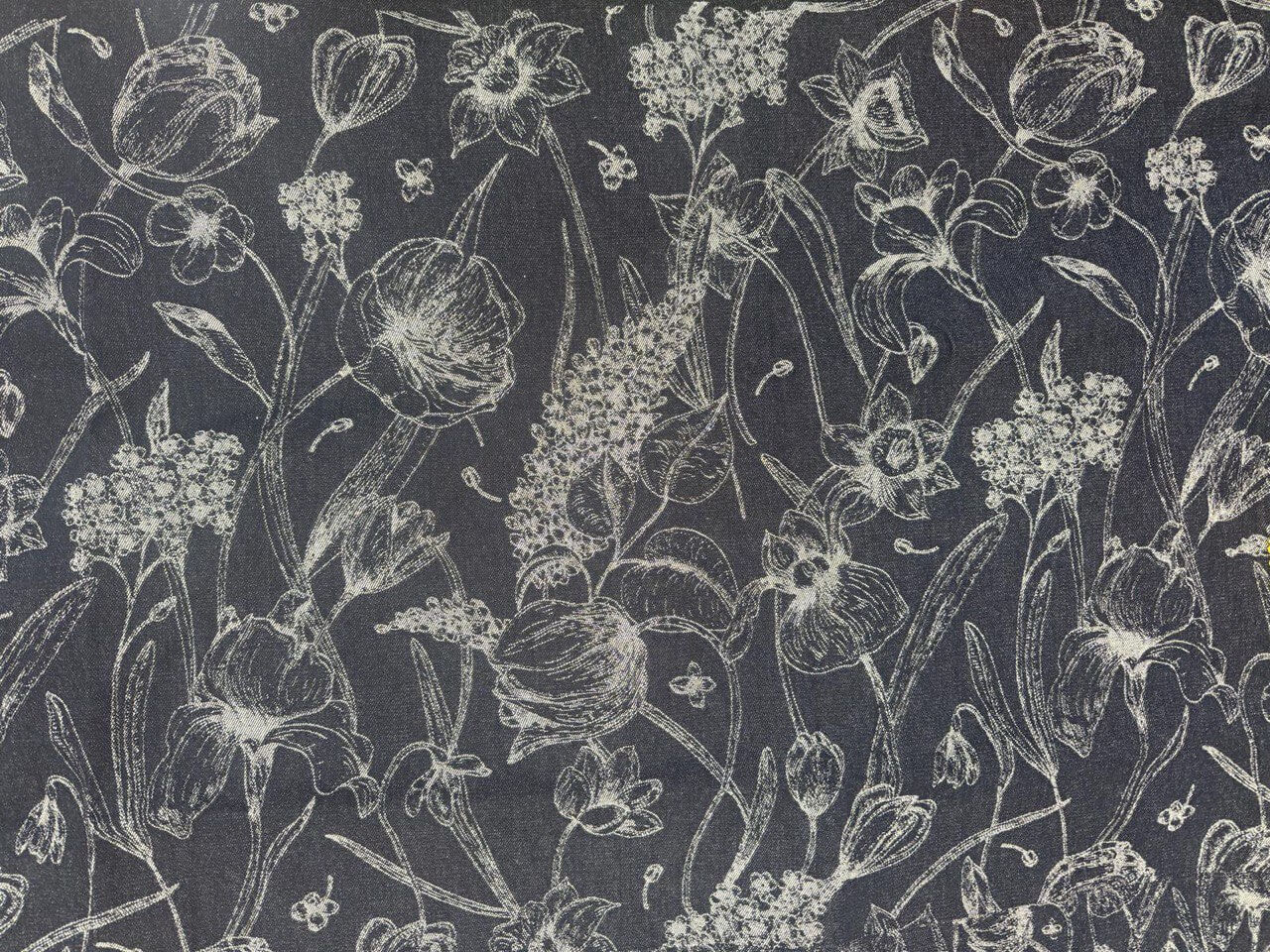
At the same time, the pattern itself looked very suitable for jacquard. So I suggested a different approach: instead of applying the pattern to the denim after weaving, we could weave the denim with the pattern already built into the fabric. The client agreed.
We sent the pattern for development and received the jacquard denim for approval. We chose a medium-weight 100% cotton denim, around 12.5 oz. We tested the fabric for shrinkage and then started making samples for the collection.
There were no issues with the denim itself. From that point, we focused on the fit of the garments, made additional samples, and once everything was approved, moved into production.
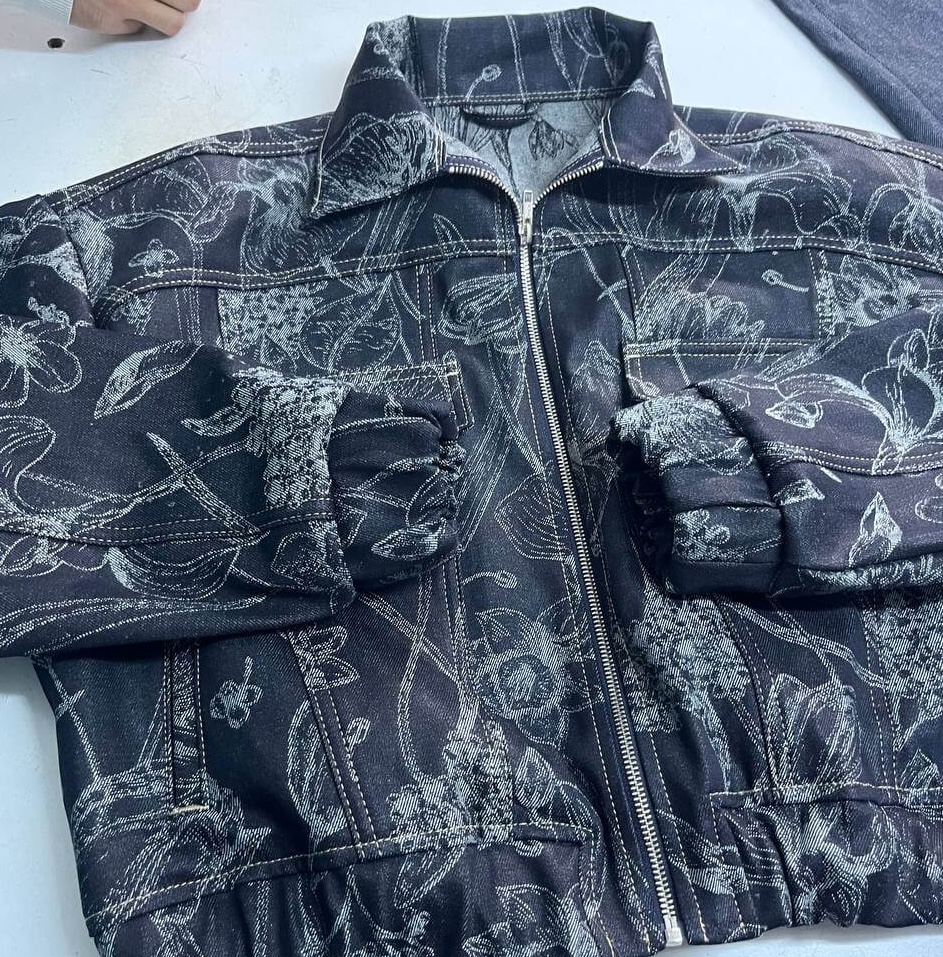
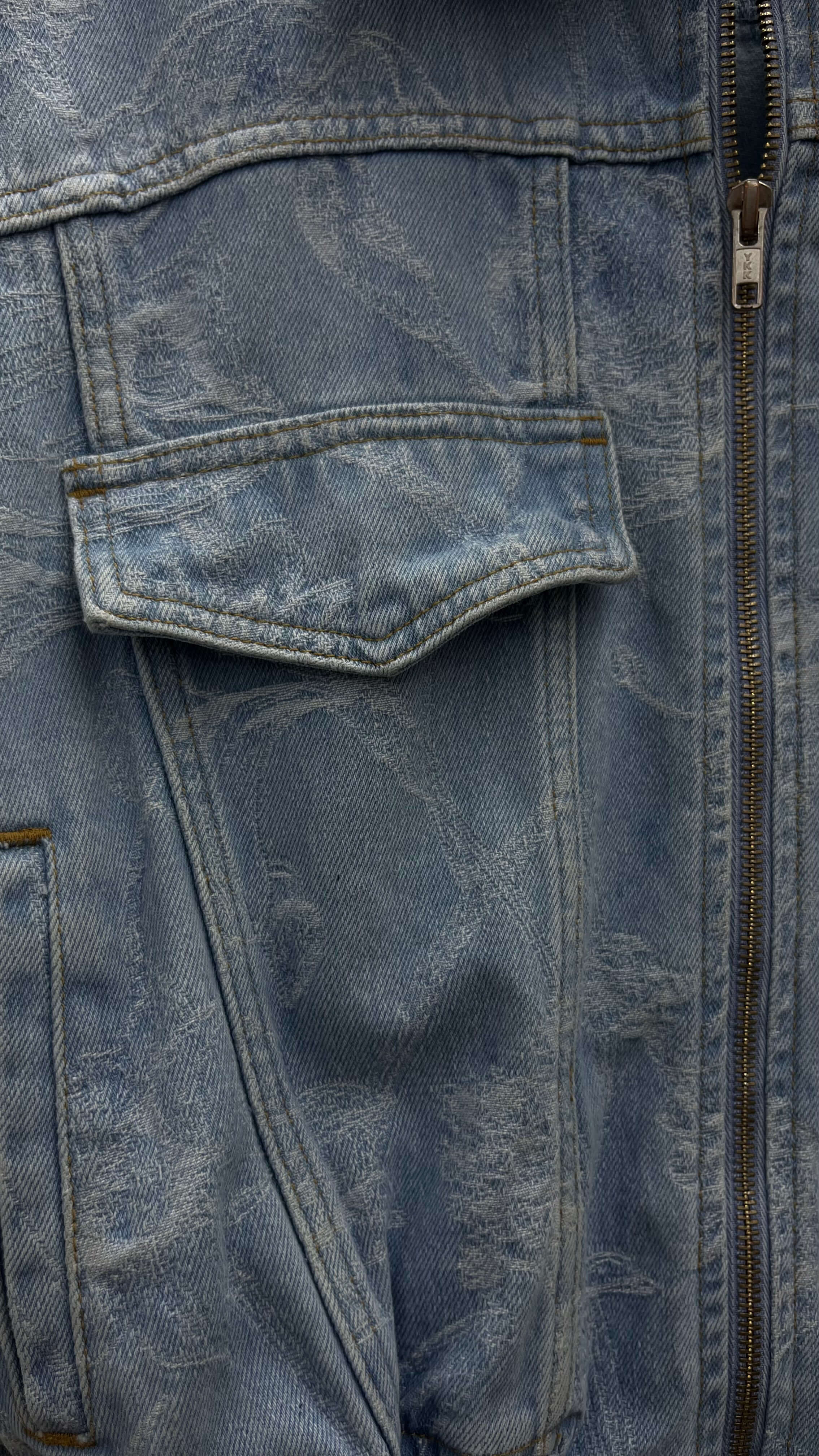
The bulk order was washed to the approved light shade. At this wash level, the contrast of the jacquard was quite subtle, but the pattern remained clearly visible and all the fine details were preserved. Achieving the same level of consistency with laser on a wash like this would have been much more difficult.
What I remember most about this project is probably not the technique itself. It was the fact that the client was open to a different solution.
Very often, brands come to a manufacturer with a fixed idea of exactly how something should be made. If they decided on laser before approaching the factory, they want laser. If they chose a certain treatment or technique, it can sometimes be difficult even to discuss another option.
This project was different. The client had a clear idea and their own pattern, but they were willing to change the way it was executed when they saw the reasoning behind it.
In the end, instead of applying the design onto finished denim, we developed a custom denim fabric with the client’s own pattern and used it across several pieces in the collection.
The production was completed quite a long time ago, and the products have been selling for some time now. But I still like looking back at this project because the client was open to a different solution. In practice, that happens less often than you might think.